 Fresh
Fresh Magnesium: Why So Many People Run Short When You're Short on Time
You do not need spare hours to make progress with magnesium: why so many people run short; a few small moments in the day are enough. The focus is on habits you can actually keep, not a short-lived push. Below, we break magnesium: why so many people run short down into clear, manageable pieces you can act on today.
The time-poor reality
Genuine deficiency is uncommon in otherwise healthy most of us, because the kidneys are efficient at conserving it. Marginal intake is far more usual, and its effects are correspondingly subtle: some people notice cramps, restless legs, or difficulty settling at night, and some notice nothing at all.
Quick wins that fit any schedule
It helps to remember that if supplementation is worth trying, the form is relevant. The oxide form is cheap and poorly absorbed, and its main reliable effect is a laxative one. Citrate, glycinate, and malate are absorbed better and sit more comfortably; glycinate in particular is often chosen by many people taking it in the evening.
It helps to focus on what you can realistically do most days, rather than an ideal you can only manage occasionally.
Habits that take seconds
The unglamorous alternative is worth stating plainly. A handful of nuts or seeds, a portion of beans, and a switch from refined to wholegrain staples will move intake more than most bottles will, and will bring fibre, potassium, and a good deal else along with it. Trusted resources such as MedlinePlus (National Institutes of Health) cover this in more depth.
Doing less, but consistently
More often than not, magnesium is involved in a long list of processes — muscle contraction, nerve signalling, blood sugar regulation, the production of usable energy — which is precisely why claims about it are so easy to inflate. A mineral with hundreds of roles can be credited with almost anything. For a closer look, see nerve alive.
Protecting the little time you have
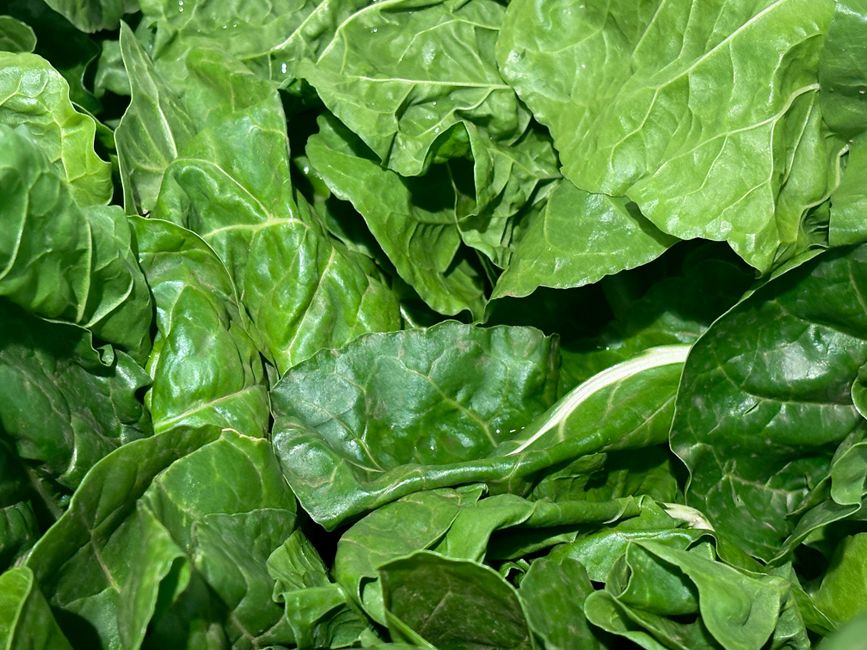
More often than not, intake tends to run low for unremarkable reasons. The richest sources are leafy greens, nuts, seeds, legumes, and wholegrains, and these are the foods most commonly squeezed out of a convenient diet. Refining grains removes most of the magnesium along with the bran, so a diet built around white bread, pasta, and rice supplies less than the same diet built around their wholegrain versions.
None of this has to happen all at once; even one small adjustment in this area tends to pay off over time.
Practical tips
Some practical points to keep in mind:
- Keep the useful option easy to reach and the tempting one a little harder.
- Protect your sleep, since it quietly makes everything else easier.
- Notice what works for you personally, since everyone responds a little differently.
- Ask for a little support from someone around you when you can.
The bottom line
None of this needs to be perfect. The best approach is the one you can keep going with. Start where you are and build slowly from there.
Frequently asked questions
Is this relevant if I'm just starting out?
Yes. You can begin with one small change and build from there. With magnesium: why so many people run short, steady progress beats trying to do everything at once.
Do I need special equipment or money?
No. Most of what helps is free or low-cost, and the simplest options are usually the ones people stick with.
Is this suitable for busy people?
Yes. Most of the ideas here fold into things you already do each day, so they take little extra time.
What is the single most important thing to focus on?
Consistency. A modest routine you actually keep beats an ambitious plan you abandon after a week.