 Fresh
Fresh Designing Your Kitchen for Effortless Healthy Eating
The Myth of Willpower in Daily Nutrition
When we resolve to improve our nutrition, we often focus on willpower. We promise ourselves that we will resist temptation, stick to a strict meal plan, and make better choices. However, human decision-making is heavily influenced by convenience. By the time a busy workday ends, decision fatigue has set in, and we naturally gravitate toward the path of least resistance. If the easiest food within reach is highly processed, that is likely what we will eat.
Building sustainable healthy eating habits is less about constant discipline and more about environmental design. By organizing your kitchen to make nutritious foods the default choice, you reduce the mental energy required to eat well. When healthy choices require less effort, they happen naturally, even on your most stressful days.
The Power of Visual Cues in the Kitchen
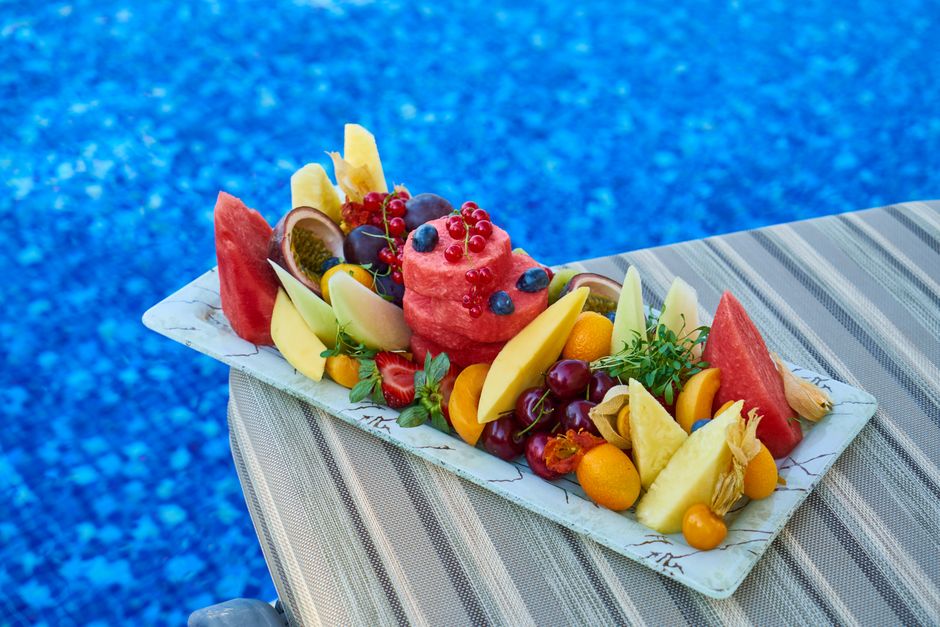
Our brains rely heavily on visual cues to decide what to eat. If a bowl of fresh fruit sits on your kitchen counter, you are far more likely to grab an apple as a snack. Conversely, if a bag of potato chips is sitting next to the toaster, that becomes the automatic choice. Rearranging what is visible in your kitchen can quietly guide your daily decisions.
Simple Visual Adjustments to Try:
- Keep a beautiful, well-stocked fruit bowl on your kitchen island or dining table.
- Store whole grains, nuts, and seeds in clear glass jars at eye level on your pantry shelves.
- Place processed snacks inside opaque containers and tuck them away in a high cupboard or a lower drawer where they are out of immediate sight.
By simply changing the visibility of your food, you alter the automatic choices you make throughout the day. This simple shift in your kitchen environment helps prevent mindless eating before it starts.
Redesigning Your Refrigerator Layout
The traditional refrigerator layout is not always optimized for healthy choices. Most fridges feature opaque crisper drawers at the very bottom, which is often where fresh leafy greens and vegetables go to be forgotten. By the time we remember they are there, they may no longer be fresh.
To combat this, try reversing the standard layout. Place washed, ready-to-eat vegetables and fruits in clear containers on the middle or top shelves, directly at eye level. When you open the fridge looking for a quick bite, baby carrots, sliced bell peppers, or berries will be the first things you see. Reserve the lower, out-of-sight drawers for items you use less frequently or foods that do not require visual reminders to be consumed.
Lowering the Barrier to Cooking with Pre-Prep
One of the biggest hurdles to cooking a nutritious dinner is the prep work. After a long day, the prospect of washing, peeling, and chopping vegetables can feel overwhelming. This is when takeout or pre-packaged meals become incredibly appealing.
You can lower this barrier by dedicating fifteen minutes after a grocery run to healthy food prep. Wash your greens, chop your onions and bell peppers, and portion out your proteins before putting them away. When it comes time to cook dinner, having pre-prepped ingredients ready to go drastically reduces the time and effort required to assemble a fresh, wholesome meal. It turns cooking from a multi-step chore into a simple assembly process. This aligns with information from MedlinePlus, from the U.S. National Institutes of Health.
Adding Friction to Less Nutritious Choices
Friction is the physical or mental effort required to complete a task. In the context of nutrition, you can use friction to your advantage. By making less nutritious options slightly harder to access, you give your brain time to pause and make a conscious choice rather than acting on impulse.
If you want to eat fewer processed sweets, do not leave them on the kitchen counter. Put them in the back of a high cabinet that requires a step stool to reach. If you enjoy carbonated sodas but want to drink more water, store the sodas in the garage or basement fridge rather than the kitchen fridge. The simple act of having to walk to another room or grab a stool introduces a moment of deliberation, allowing you to ask yourself if you are truly hungry or just bored.
Creating an Emergency Dinner System
No matter how well we design our kitchens, there will always be evenings when cooking a full meal feels impossible. A resilient healthy lifestyle must tolerate these difficult days. Instead of relying on fast food delivery when you are exhausted, establish an "emergency dinner" system in your kitchen. More details are available on nerve alive.
Keep your freezer and pantry stocked with quick, shelf-stable ingredients that can be combined into a nutritious meal in under ten minutes. Some excellent options include:
- Frozen vegetables that can be quickly steamed or tossed into a stir-fry.
- Canned beans, lentils, or chickpeas for a fast source of protein and fiber.
- Pre-cooked frozen quinoa or brown rice pouches that heat up in minutes.
- High-quality canned wild-caught fish, such as salmon or sardines.
Having these simple, low-effort ingredients on hand ensures that even on your busiest nights, you have a nutritious alternative to takeout that requires minimal cleanup.
Building Consistency Over Perfection
A healthy kitchen environment is not about creating a sterile, perfect space devoid of all treats. Rigid rules are fragile and often lead to frustration. Instead, aim to build a supportive, flexible system that works for you the majority of the time.
By arranging your kitchen to favor whole foods, you make nourishing your body the natural, easy choice. These small, daily environmental shifts compound over time, leading to lasting nutrition habits that feel effortless rather than forced. Focus on progress, keep experimenting with your layout, and let your environment do the heavy lifting for your health.
Frequently asked questions
How can I prevent pre-chopped vegetables from spoiling too quickly?
To extend the shelf life of prepped veggies, store them in airtight glass containers lined with a dry paper towel to absorb excess moisture. Harder vegetables like carrots and celery can also be stored in jars filled with clean water to keep them crisp.
What if my family members do not want to follow these kitchen changes?
You do not need to overhaul the entire kitchen overnight. Start by dedicating one specific shelf in the fridge and pantry for your prepped, healthy options at eye level. You can leave other designated areas for your family's preferred snacks, which still keeps your nutritious choices highly visible to you.
Are frozen fruits and vegetables as nutritious as fresh ones?
Yes, frozen fruits and vegetables are often frozen at peak ripeness, which locks in their nutritional value. They are an excellent, budget-friendly way to keep healthy produce on hand without worrying about spoilage.
How do I manage mindless snacking while working from home?
Keep your workspace completely free of food cues. Avoid working in the kitchen if possible, and make it a rule to only eat at the dining table. If you want a snack, serve yourself a portion in a small bowl rather than eating directly out of a large bag or box.