 Fresh
Fresh Hydration Without The Myths as a Daily Habit
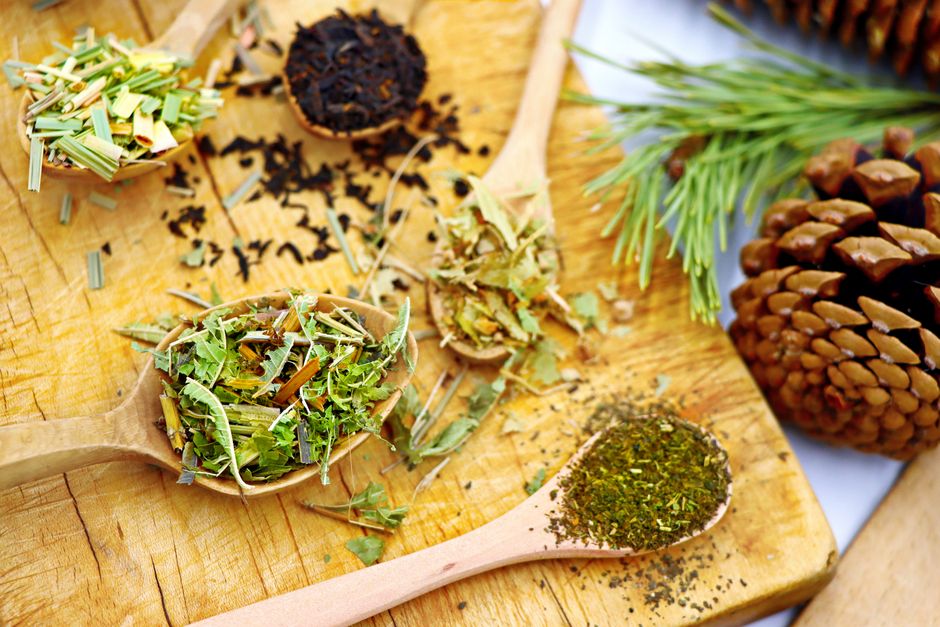
Turning hydration without the myths into a simple daily habit removes most of the effort. The aim here is to keep things realistic and easy to sustain. Here is a grounded, practical look at hydration without the myths that fits into a real, busy life.
Why routines beat willpower
It helps to remember that hydration attracts a great deal of confident advice with a thin evidence base. The familiar eight glasses has no clear origin in research, and the honest answer to how much someone should drink depends on body size, activity, temperature, and diet, which is less satisfying and more accurate.
Anchoring a new habit
The key point is that the body is reasonably good at signalling. Thirst works, and it works better than most people credit, with two notable exceptions: older adults, in whom the signal weakens, and during hard or prolonged exercise in heat, when losses outpace the sensation. In both cases, drinking to a schedule rather than to thirst makes sense.
Give yourself room to be imperfect here; a missed day is an event, not a reason to give up.
A simple morning version
Food contributes a meaningful share, often a fifth to a third of total intake, and it is routinely left out of the calculation. Fruit, vegetables, soups, and yoghurt all count, as do tea and coffee, whose mild diuretic effect does not cancel the fluid they contain.
What matters most is fitting this around your real routine, so it becomes something you barely have to think about. For evidence-based detail, the NIH National Center for Complementary and Integrative Health offers helpful guidance.
A simple evening version
Urine colour remains the most practical everyday indicator: pale straw suggests adequate, consistently dark suggests more is needed. Supplements can colour it, so the check is imperfect, but it beats guessing. You can read the full details on java burn supplement.
Small changes like these are easy to underestimate, yet they are exactly what add up over months and years.
Handling the days it slips
On a day-to-day level, the over-corrected version is worth naming. Drinking far beyond thirst is not a virtue, produces no benefit, and in extreme cases during endurance events can dilute blood sodium dangerously. Ordinary hydration is an unremarkable background habit, not a project.
Practical tips
Some practical points to keep in mind:
- Keep the useful option easy to reach and the tempting one a little harder.
- Start small and stay consistent rather than aiming for a dramatic change.
- Ask for a little support from someone around you when you can.
- Protect your sleep, since it quietly makes everything else easier.
The bottom line
None of this needs to be perfect. Take it one small step at a time. Consistency, not intensity, is what makes the difference in the long run.
Frequently asked questions
How long before I notice a difference?
It varies from person to person. Give any new habit a few weeks of consistency before deciding whether it is working for you.
Is this suitable for busy people?
Yes. Most of the ideas here fold into things you already do each day, so they take little extra time.
Is this relevant if I'm just starting out?
Yes. You can begin with one small change and build from there. With hydration without the myths, steady progress beats trying to do everything at once.
What is the single most important thing to focus on?
Consistency. A modest routine you actually keep beats an ambitious plan you abandon after a week.