 Fresh
Fresh Gut Health Beyond The Marketing: Where to Start
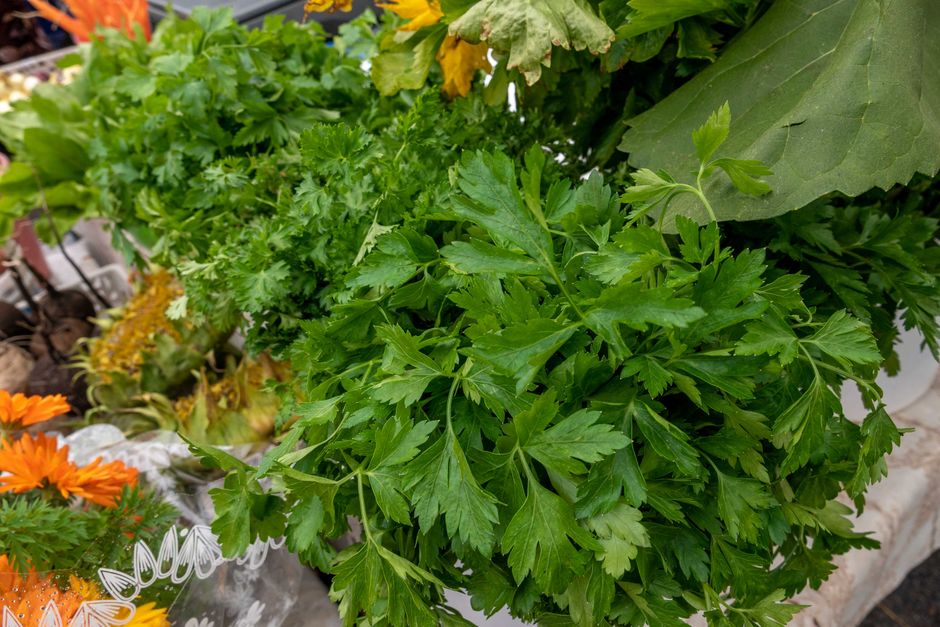
If you are just getting started with gut health beyond the marketing, the good news is that you do not need to change everything at once. None of this is complicated, and none of it needs to be expensive. Let's look at what actually matters with gut health beyond the marketing, and what you can safely ignore.
Start here
What is not established is most of the rest: that a stool test can currently tell an individual what to eat, that a particular probiotic will change mood or immunity in a health-supporting person, or that a cleanse achieves anything the liver and kidneys were not already doing.
Small changes like these are easy to underestimate, yet they are exactly what add up over months and years.
The first easy step
The practical advice that follows is dull and cheap. Eat a wider range of plants across a week — the count makes a difference more than the individual choices. Include some fermented food. Keep fibre up. Take antibiotics when they are needed and not when they are not.
Building a little at a time
The key point is that persistent symptoms deserve a different response entirely. Ongoing pain, blood, unexplained weight loss, or a change in bowel habit lasting weeks are reasons to see a doctor, not reasons to try another supplement. It is worth checking cholibrium reviews before deciding.
It helps to focus on what you can realistically do most days, rather than an ideal you can only manage occasionally. Trusted resources such as the NIH National Center for Complementary and Integrative Health cover this in more depth.
What to expect early on
The community of micro-organisms in the gut is a legitimate and fast-moving field, and it is also the area where the distance between what is known and what is sold is widest. Plausible mechanisms are being marketed as settled findings, and personalised tests are being sold well ahead of the evidence.
Simple habits to try
The key point is that what is reasonably established is unglamorous. Diversity of plant foods is associated with diversity of gut bacteria. Fibre is the primary fuel for the organisms that produce beneficial compounds. Antibiotics disrupt the population, usually temporarily. Long-term dietary pattern matters more than any single food or supplement.
Practical tips
Here are a few easy places to start:
- Aim for good enough on busy days instead of skipping entirely.
- Anchor a new habit to something you already do each day, like your morning coffee.
- Give any change a few weeks before judging whether it is helping.
- Protect your sleep, since it quietly makes everything else easier.
The bottom line
The best approach is the one you can keep going with. Keep it simple, be patient with yourself, and let small changes add up. That is usually all it takes.
Frequently asked questions
Do I need special equipment or money?
No. Most of what helps is free or low-cost, and the simplest options are usually the ones people stick with.
Is this suitable for busy people?
Yes. Most of the ideas here fold into things you already do each day, so they take little extra time.
Is this relevant if I'm just starting out?
Yes. You can begin with one small change and build from there. With gut health beyond the marketing, steady progress beats trying to do everything at once.
How long before I notice a difference?
It varies from person to person. Give any new habit a few weeks of consistency before deciding whether it is working for you.