 Fresh
Fresh Building a Daily Routine Around Everyday Wellness Tips
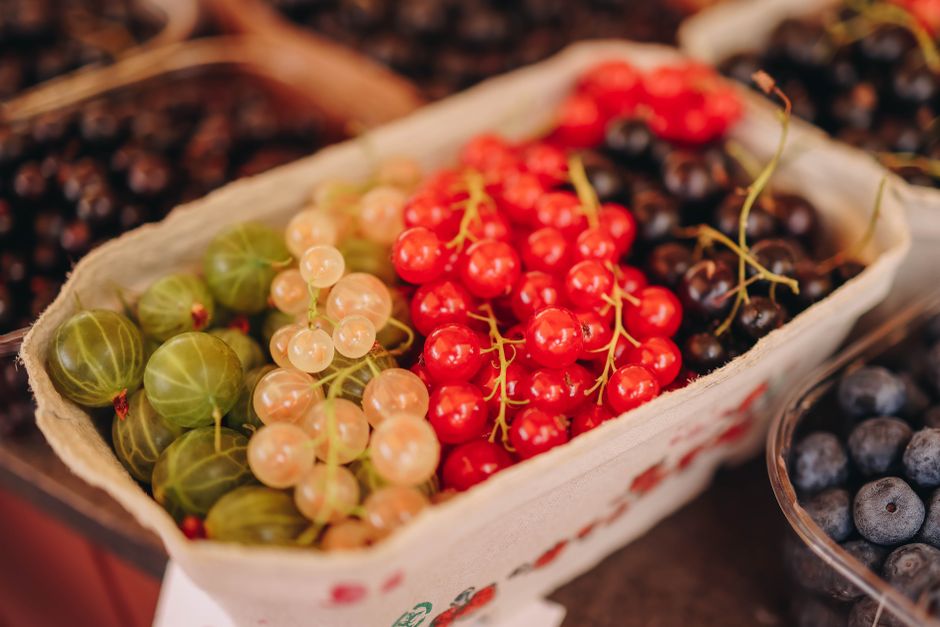
Turning everyday wellness tips into a simple daily habit removes most of the effort. The focus is on habits you can actually keep, not a short-lived push. Let's look at what actually matters with everyday wellness tips, and what you can safely ignore.
Why routines beat willpower
The key point is that advice about wellness usually arrives in dramatic form: overhaul the diet, transform the routine, become a different person by spring. Everyday wellness works differently. It is assembled from actions small enough to repeat on an ordinary Tuesday, when nothing is being transformed and nobody is watching.
The practical takeaway is to keep everyday wellness tips simple enough that it survives a busy week, not just a good one.
Anchoring a new habit
It helps to remember that consider the morning. Opening the curtains early exposes the eyes to natural light, which helps anchor the body's internal clock, which in turn influences how easily sleep arrives fourteen hours later. This costs nothing. Drinking water before coffee addresses the mild dehydration that follows a night's sleep. Eating something with protein rather than sugar alone tends to make the middle of the morning less turbulent.
It helps to focus on what you can realistically do most days, rather than an ideal you can only manage occasionally.
A simple morning version
Through the working day, the useful interventions are similarly modest. Standing every half hour interrupts the postural stiffness that sitting produces. Taking a phone call while walking converts a fixed activity into a moving one. Looking at something distant for twenty seconds relieves the eye muscles that spend hours focused at arm's length.
The goal is progress you can maintain, not perfection you have to chase and eventually abandon.
A simple evening version
On a day-to-day level, evening offers different opportunities. Eating earlier gives digestion time before sleep. Reducing bright light in the last hour supports the body's own signals. Writing down tomorrow's tasks often quiets the mind more effectively than trying to stop thinking about them. You can read more from MedlinePlus, from the U.S. National Institutes of Health.
Handling the days it slips
More often than not, between these, the social and emotional threads run continuously. A short conversation with someone who knows you well does measurable work on stress. So does time spent outdoors, even briefly, even in poor weather.
What matters most is fitting this around your real routine, so it becomes something you barely have to think about.
Letting it become automatic
Put simply, the point of listing these is not to demand all of them. It is to demonstrate that wellness is available in fragments. Most people cannot restructure their lives. Nearly everyone can adjust the first ten minutes of the day, or the last, and let the improvement propagate outwards from there.
Practical tips
A few simple things tend to help:
- Notice what works for you personally, since everyone responds a little differently.
- Aim for good enough on busy days instead of skipping entirely.
- Give any change a few weeks before judging whether it is helping.
- Protect your sleep, since it quietly makes everything else easier.
The bottom line
Take it one small step at a time. None of this needs to be perfect. A few steady habits, kept up over time, tend to do far more than any short-lived effort.
Frequently asked questions
What is the single most important thing to focus on?
Consistency. A modest routine you actually keep beats an ambitious plan you abandon after a week.
How long before I notice a difference?
It varies from person to person. Give any new habit a few weeks of consistency before deciding whether it is working for you.
Is this suitable for busy people?
Yes. Most of the ideas here fold into things you already do each day, so they take little extra time.
Do I need special equipment or money?
No. Most of what helps is free or low-cost, and the simplest options are usually the ones people stick with.