 Fresh
Fresh A Practical Take on The Bedroom As Equipment, Without the Hype
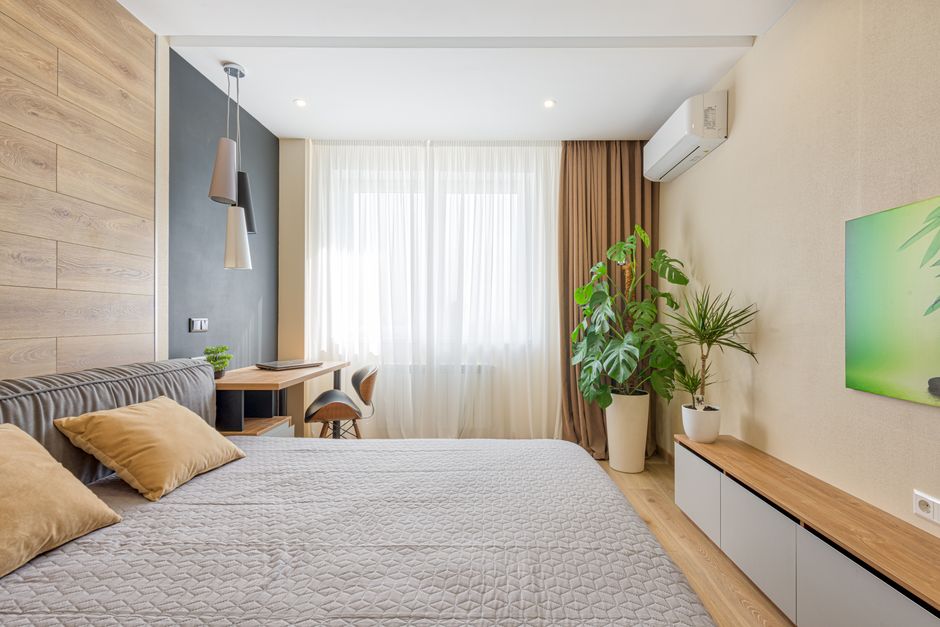
A lot of what people believe about the bedroom as equipment does not hold up once you look closely. Think of it as gentle maintenance rather than a strict programme. Below, we break the bedroom as equipment down into clear, manageable pieces you can act on today.
A common myth
The last element is association. A bed used for working, scrolling, and worrying becomes a place where the mind expects to be active. Keeping it for sleep, and getting up if sleep has not arrived after twenty minutes or so, rebuilds the connection over a few weeks. It feels counterproductive and it is the most reliable technique available.
The goal is progress you can maintain, not perfection you have to chase and eventually abandon.
What the evidence generally suggests
Advice about sleep tends to concentrate on behaviour and skip the room, which is odd, because the room is the one variable that can be fixed once and then keeps working without any further effort or discipline.
The goal is progress you can maintain, not perfection you have to chase and eventually abandon.
Why the myth persists
It helps to remember that temperature is the most underestimated factor. Body temperature falls as sleep approaches, and a room that is too warm interferes with that drop. Cooler than feels comfortable when getting into bed is typically about right, and bedding does the rest.
The practical takeaway is to keep the bedroom as equipment simple enough that it survives a busy week, not just a good one.
A more balanced view
Darkness makes a difference more than most people allow for, since even modest light affects sleep quality and timing. Standby lights, a streetlamp through thin curtains, and a phone charging on the bedside table all contribute. Blackout curtains or an eye mask solve it permanently and cheaply. For a closer look, see femicore.
Small changes like these are easy to underestimate, yet they are exactly what add up over months and years. This aligns with information from MedlinePlus (National Institutes of Health).
What actually helps
More often than not, noise is best handled by consistency rather than silence. A steady low sound masks the irregular ones that cause waking, which is why a fan or a white noise source often works better than attempting a silent room in a noisy street.
Practical tips
In everyday terms, this can look like:
- Ask for a little support from someone around you when you can.
- Protect your sleep, since it quietly makes everything else easier.
- Notice what works for you personally, since everyone responds a little differently.
- Give any change a few weeks before judging whether it is helping.
The bottom line
None of this needs to be perfect. Take it one small step at a time. Consistency, not intensity, is what makes the difference in the long run.
Frequently asked questions
What is the single most important thing to focus on?
Consistency. A modest routine you actually keep beats an ambitious plan you abandon after a week.
Do I need special equipment or money?
No. Most of what helps is free or low-cost, and the simplest options are usually the ones people stick with.
Is this suitable for busy people?
Yes. Most of the ideas here fold into things you already do each day, so they take little extra time.
Is this relevant if I'm just starting out?
Yes. You can begin with one small change and build from there. With the bedroom as equipment, steady progress beats trying to do everything at once.